
“Preventive Health for Women over 40”
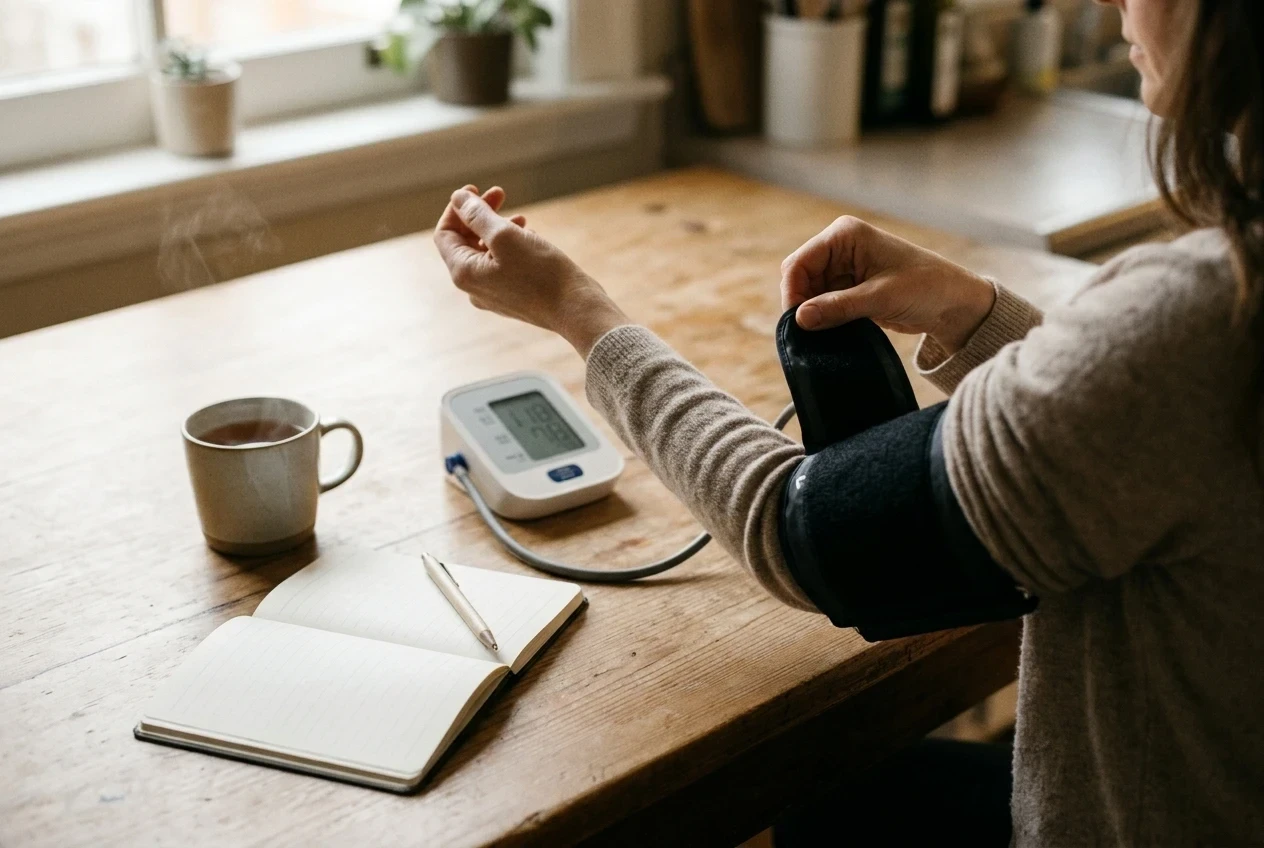
Most women reach their 40s with a vague sense that they should be checking something, but nobody has said exactly what. A doctor’s visit may end with “everything looks fine” and no figures attached. This site exists to change that. It explains the main health numbers in plain language, shows how they connect to chronic disease, and gives you practical ways to move them in a better direction. If you are new here, this page is your starting point for preventive health for women over 40.
Who this site is for and where to begin
This site is written for women between 40 and 60 who want to understand their bodies before a diagnosis forces the issue. You may be in perimenopause, or already past it. You may have had a result flagged as “borderline” and not known what to do with that word. Or you may simply want to know what to ask at your next appointment.
You do not need a medical background to read any of it. Each article explains the terms it uses, says what a number means, and suggests what to ask your own doctor. Nothing here replaces your doctor’s advice, because only someone who knows your history can interpret your results.
A sensible order for a first visit:
- Read the section below on the five numbers worth asking about.
- Pick the pillar guide that matches your biggest question.
- Get the free checklist so you can take the questions to your appointment.
Why your 40s and 50s are a good time to start
Chronic conditions such as type 2 diabetes, high blood pressure and heart disease usually develop slowly. Blood sugar can drift upward for years before it crosses the line for a diagnosis. Blood pressure often causes no symptoms at all. Because these changes are quiet, the numbers are often the only early signal.
Midlife is also when the body’s circumstances change. Hormonal shifts around menopause can affect cholesterol, blood pressure and where the body stores fat. Sleep often gets lighter, stress loads are heavy for many women, and muscle mass tends to decline unless it is used. None of this means decline is inevitable. It does mean a result that was fine at 35 deserves a fresh look at 48.
Prevention at this stage is mostly about information followed by small, steady changes. Knowing your baseline lets you see whether what you are doing is working. For a closer look at how these changes show up in daily life, see our guide on symptom management in menopause.
Five numbers to ask about at your next checkup
Many doctors order routine blood work, but results are not always explained. You are entitled to ask for your actual figures and what range your doctor wants you in. Here are five worth raising.
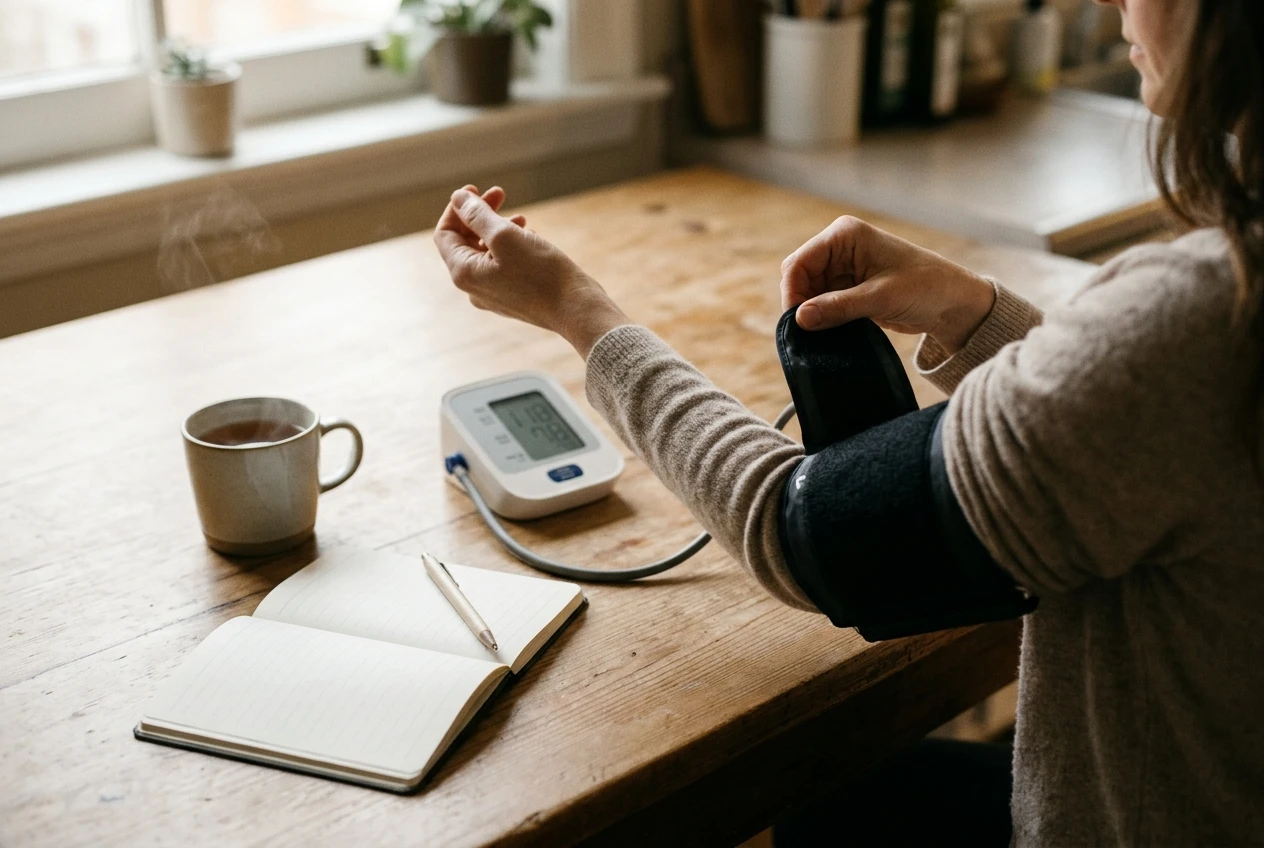
1. Blood pressure
Blood pressure is two numbers: the pressure when your heart beats (systolic) and between beats (diastolic). The American College of Cardiology and American Heart Association guideline from 2017 classes 130/80 mmHg or higher as stage 1 hypertension, though other countries use somewhat different cut-offs. A single reading in a clinic can be higher than your usual because of nerves, so ask whether a home monitor makes sense for you.
2. Blood sugar: HbA1c or fasting glucose
HbA1c reflects your average blood sugar over roughly the past three months. The American Diabetes Association describes 5.7% to 6.4% as the prediabetes range, and a fasting glucose of 100 to 125 mg/dL falls in the same category. Prediabetes is common and is the stage where lifestyle changes have the most to offer. Ask which of the two tests you are having and what your result was.
3. Cholesterol panel
A standard lipid panel reports total cholesterol, LDL, HDL and triglycerides. LDL is the figure most often tied to heart disease risk, but it is the whole pattern that matters, along with your age, blood pressure and family history. Ask your doctor how the results fit into your overall cardiovascular risk, not just whether each one is “in range.”
4. Waist measurement
A tape measure around your waist is free, and it tells you something a scale cannot. Fat stored around the middle is more closely linked to metabolic problems than fat stored elsewhere. Ask whether your doctor tracks waist circumference, and measure it yourself at the same spot each time so the readings can be compared.

5. Thyroid function (TSH)
An underactive thyroid can cause tiredness, weight changes and low mood, which overlap with common menopause symptoms. If any of these are new for you, ask whether a TSH test is appropriate. It is a simple blood test, and the answer can change what your doctor looks at next.
If you are unsure how to get these tests done affordably, our beginner’s guide to affordable blood testing walks through the options.
Start with the pillar guides
The guides below cover the topics women ask about most. Each one starts with the basics and builds from there, so you can read them in any order.
Metabolic health. Weight alone does not tell you how well your body handles energy. What metabolic health is, and the five markers beyond weight, explains blood sugar, blood pressure, cholesterol, triglycerides and waist size as one connected picture.
Blood sugar and insulin. If your HbA1c or fasting glucose was flagged, how to improve insulin sensitivity naturally offers three habits built around food.
Eating for your stage of life. Your needs in your 40s are not the same as in your 20s, and they shift again after menopause. Nutrition needs for women at different life stages covers what changes and why.
Healthy aging. For a broader view of keeping your health over the long term, start with 10 tips on healthy aging.
Daily habits that influence your numbers
Tests tell you where you are. Daily habits are what move the results. Four areas have the strongest evidence behind them, and each has its own guide.

Sleep. Poor sleep is linked to higher blood pressure and blood sugar problems, and night sweats or racing thoughts can make good sleep hard to find in midlife. Our article on improving sleep for health covers practical changes to try.
Movement. Regular physical activity supports blood pressure, blood sugar, mood and muscle. You do not need a gym membership to start, and the benefits of a physical activity routine explains how to build something you can keep up.
Stress. Ongoing stress affects sleep, appetite and blood pressure. From chaos to calm: the science behind stress relief methods looks at which approaches have research behind them. If you want a simple technique to try today, breathwork basics is a short place to begin.
Hydration. Drinking enough water is one of the easiest habits to improve, and creative ways to increase your daily water intake offers ideas for making it routine.
Choose one habit at a time. Changing everything at once rarely lasts, while one change kept for a few weeks often does. Then retest when your doctor suggests, so you can see what the change did.
More to read
Newer and popular articles from the site:
- Symptom Management In Menopause
- Demystifying Affordable Blood Testing: A Beginner’s Guide
- Anti Inflammatory Supplements That Work
- Finding Inner Peace: A Simple Guide For Beginners
To find out who writes this site, visit About Dr. Amina.
How to use your results
When your numbers come back, resist the urge to judge them as good or bad. A result is a starting point. Write down the date, the value and the range your doctor uses, and keep the figures in one place. Next time, you can compare instead of guessing.

If a result is outside the range, ask three things: what does this mean for me specifically, what would you suggest I change first, and when should we test again? Those questions turn a worrying number into a plan. If something does not make sense, ask for it to be explained again. It is your health information.
Get the free checklist
Walking into an appointment with a list of questions changes how the conversation goes. The checklist puts the numbers above on a single page you can print or keep on your phone, so you remember to ask.
Get the free checklist: 5 numbers to ask about at your next checkup. Enter your email and it lands in your inbox.
Sources and further reading
The reference ranges mentioned on this page come from the following published guidance. Cut-offs vary between countries and individuals, so use them as conversation starters with your own doctor rather than as a diagnosis.
- Whelton PK, et al. 2017 ACC/AHA Guideline for the Prevention, Detection, Evaluation, and Management of High Blood Pressure in Adults. American College of Cardiology and American Heart Association.
- American Diabetes Association. Standards of Care in Diabetes, section on classification and diagnosis (HbA1c and fasting glucose ranges for prediabetes).
This article is general information and does not replace advice from your own doctor.