
Insulin is the hormone that moves sugar from your blood into your cells. When your cells respond to it well, a small amount does the job. When they respond poorly, which is what insulin resistance means, the pancreas releases more insulin to get the same result. Learning how to improve insulin sensitivity naturally starts with understanding that you can influence this response through daily habits, and that food, movement and sleep are the three biggest levers.
This article explains how each one works in everyday terms, gives you one small first step for each, and is straightforward about what lifestyle can and cannot do.
What insulin sensitivity actually means (and why you can feel it before a test shows it)
Think of insulin as a messenger knocking on the door of a cell. Insulin sensitivity describes how quickly the cell answers. When sensitivity is high, the door opens easily and blood sugar drops back to normal after a meal. When it is low, the body keeps sending more messengers, and for a long time that works well enough that standard blood tests look normal.
That delay explains why some women notice things before any result looks unusual. Common experiences include:
- Feeling sleepy or foggy an hour or two after a meal
- Strong cravings for sweet or starchy food
- Carrying more weight around the middle than before
- Darker, velvety patches of skin on the neck or underarms
None of these proves insulin resistance. Each has other possible causes, and a clinician is the right person to sort them out. They are worth noticing, though, especially in midlife, when the menopause transition can shift where the body stores fat and how well insulin works.
If you want a wider picture of the numbers that matter, the post on what is metabolic health covers the five markers beyond weight. This article focuses on what you can do day to day.
Food: the order, the fibre and the protein that steady your blood sugar
You do not need an extreme diet to improve how your body handles glucose. Three changes to how you build a meal have the most support.
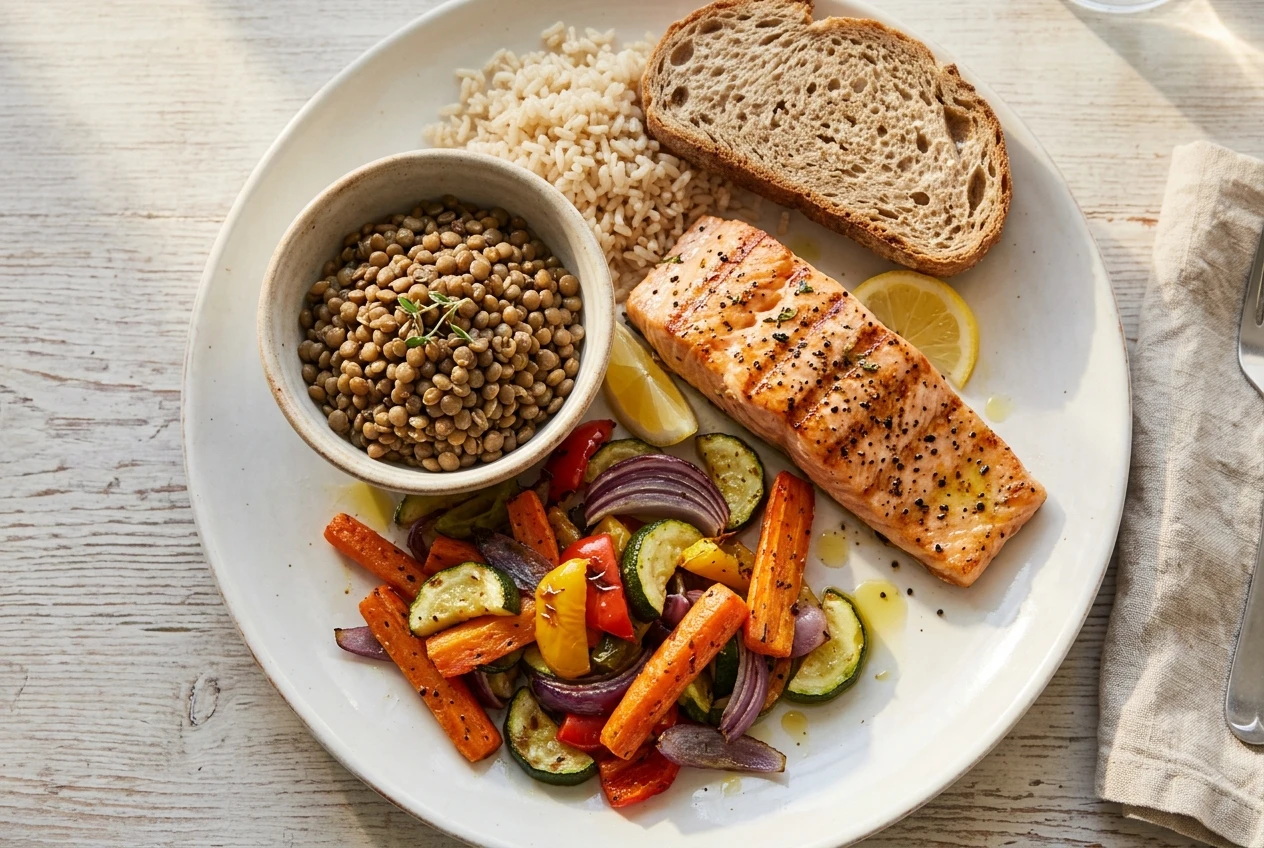
Fiber slows everything down
Fiber from vegetables, beans, lentils, oats, nuts, seeds and whole fruit slows how fast carbohydrate is digested and absorbed. A slower rise in blood sugar means the pancreas needs to release less insulin at once. Refined foods such as white bread, pastries and sugary drinks have had most of that fiber removed, so the glucose arrives quickly.
Protein helps you feel full and steadies the meal
Including protein at each meal, such as eggs, fish, poultry, tofu, Greek yoghurt or legumes, slows how quickly the stomach empties and helps you stay satisfied. For women in midlife, adequate protein also supports muscle, which matters for the movement section below.
The order you eat can matter
One small study in people with type 2 diabetes, published in Diabetes Care, found that eating vegetables and protein before carbohydrate led to lower blood sugar and insulin levels after the meal than eating the carbohydrate first. The study was small, so treat it as a low-effort experiment rather than a rule. It costs nothing to start with the salad or the vegetables on your plate and finish with the bread or rice.
Your first step: at your next three meals, begin with the vegetables and protein, and add one fiber-rich food you enjoy. Leave everything else as it is. Changing one thing is easier to keep than changing ten.
If your needs shift with age, pregnancy or menopause, the guide to nutrition needs for women at different life stages is a useful companion.
Movement: why a walk after meals and two strength sessions a week matter more than perfect workouts
Muscle is the largest place your body stores glucose. When muscles contract, they can pull sugar out of the blood even without much insulin. That is why movement improves insulin sensitivity both right away and over the long term.

A short walk after eating
A walk of 10 to 15 minutes after a meal puts your leg muscles to work just as glucose is entering the blood. It does not need to be fast. A stroll around the block, a few laps of the garden or a phone call taken on your feet all count.
Strength training twice a week
Strength sessions build and maintain muscle, which gives your body more tissue that can absorb glucose. The U.S. Physical Activity Guidelines for adults recommend muscle-strengthening activity on at least two days a week, alongside aerobic activity. Squats to a chair, wall push-ups, resistance bands, dumbbells or bodyweight routines all qualify. Muscle tends to decline with age, so this matters more after 40, not less.
A consistent routine you can repeat does more than a perfect program you abandon in three weeks. For ideas on building one, see the benefits of a physical activity routine.
Your first step: choose the biggest meal of your day and walk for ten minutes afterward, every day this week.
Sleep: how a few short nights can make your cells less responsive to insulin
Sleep is the lever most people overlook. In a study published in the Journal of Clinical Endocrinology & Metabolism, healthy volunteers who had a single night of restricted sleep showed reduced insulin sensitivity the next day compared with a night of normal sleep. Their bodies needed more insulin to do the same work, and that was after just one night.

Short sleep also raises hunger and cravings the following day, which makes the food choices above harder to follow. Sleep disruption is common during perimenopause and menopause, so this is a real challenge for many women in this age group and not a matter of willpower.
Practical places to start:
- Keep a regular wake-up time, including weekends
- Dim lights and put screens away for the last 30 to 60 minutes before bed
- Keep the bedroom cool and dark
- Finish caffeine by early afternoon if you notice it affects you
Your first step: pick a fixed bedtime that allows at least seven hours in bed and keep it for the week. More ideas are in improving sleep for health.
Stress and the quiet extras that nudge the numbers
When you are under stress, your body releases cortisol and adrenaline, which raise blood sugar so you have energy available. If stress is constant, blood sugar and insulin can stay elevated more often than they should. Stress also tends to wreck sleep and push people toward convenience food, so it affects the other two levers as well.
You do not have to remove stress from your life to benefit. Brief, regular practices help, such as slow breathing for a few minutes, time outdoors, or a short break between tasks. The posts on the science behind stress relief methods and breathwork basics offer simple techniques to try.
A few other habits are worth a mention:
- Sitting less: standing up and moving for a couple of minutes every hour gives muscles a chance to use glucose.
- Alcohol: regular drinking can disrupt sleep and affect blood sugar, so cutting back will help.
- Smoking: it is linked with worse insulin sensitivity, and quitting is worthwhile for many other reasons too.
How to tell if it is working: the markers worth asking your doctor about
Changes in how you feel, such as steadier energy after meals and fewer cravings, are useful signs. Blood tests give you something more objective. Insulin sensitivity itself is not measured directly in routine care, so clinicians look at related markers. You can ask your doctor about:
- Fasting glucose: blood sugar after an overnight fast
- HbA1c: an average of blood sugar over roughly the past three months
- Fasting insulin: not always part of a routine panel, so you may need to ask whether it makes sense for you
- Triglycerides and HDL cholesterol: patterns in these can reflect how your body handles energy
- Waist measurement and blood pressure: both are simple to track
Changes in these markers take weeks to months, so retesting after about three months is a reasonable time frame to discuss with your clinician. If cost is a concern, the beginner’s guide to affordable blood testing explains options.
A simple one-week starter plan you can actually keep
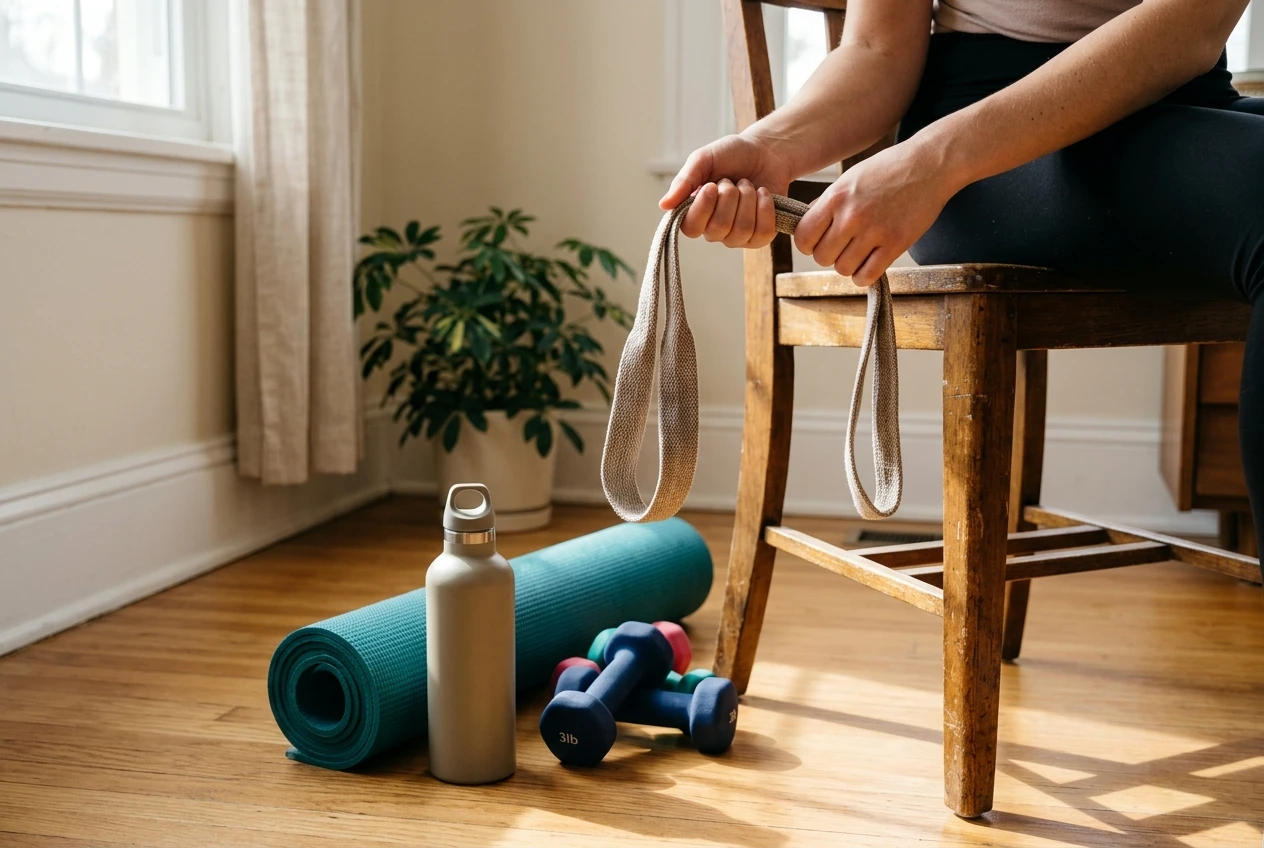
This plan uses the first steps above and asks for roughly half an hour a day, spread across the day.
- Day 1: Start two meals with vegetables and protein. Walk for ten minutes after your biggest meal. Set tonight’s bedtime.
- Day 2: Repeat Day 1. Add one fibre-rich food, such as beans, lentils or berries.
- Day 3: Do a first strength session of about 20 minutes: chair squats, wall push-ups and a few rows with a band or a heavy bag. Walk after a meal.
- Day 4: Rest from strength work. Walk after two meals. Try five minutes of slow breathing before bed.
- Day 5: Repeat Day 3 for your second strength session. Keep the post-meal walk.
- Day 6: Take a longer walk outdoors, at any pace you enjoy. Prepare a couple of protein-rich options for tomorrow.
- Day 7: Review the week. Note which habit felt easiest and which one made a difference to your energy. Keep those, and add one more next week.
If you miss a day, continue from the next one. The pattern across weeks is what changes your body’s response.
When lifestyle is not enough and what to discuss with your clinician
Food, movement and sleep improve insulin sensitivity for most people, but they do not work equally for everyone. Genetics, age, hormonal changes, polycystic ovary syndrome (PCOS), certain medications and other medical conditions all influence how your body responds. Someone can follow every habit in this article and still have results that need medical attention.
Talk to your clinician if you:
- Have a family history of type 2 diabetes
- Have a history of gestational diabetes or PCOS
- Notice very high thirst, frequent urination or unexplained weight change
- Have test results that are outside the typical range or keep rising
- Take medication and are thinking about changing your diet or exercise level
Never stop or adjust a prescribed medication without speaking to the clinician who prescribed it. Lifestyle changes work alongside medical care, and a good plan often uses both.
If you would like guided support turning food, movement and sleep into a routine built around your own life, you can learn more about Dr. Amina’s Lifestyle Medicine GP group consultation programs.
This article is for general education and is not a substitute for personal medical advice.
References
- National Institute of Diabetes and Digestive and Kidney Diseases. Insulin Resistance and Prediabetes.
- Shukla AP, et al. Food order has a significant impact on postprandial glucose and insulin levels. Diabetes Care, 2015. doi:10.2337/dc15-0429.
- Donga E, et al. A single night of partial sleep deprivation induces insulin resistance in multiple metabolic pathways in healthy subjects. Journal of Clinical Endocrinology & Metabolism, 2010. doi:10.1210/jc.2009-2430.
- U.S. Department of Health and Human Services. Physical Activity Guidelines for Americans.